Winter Interior Painting in Minnesota: Make the Most of the Season
Winter interior painting in Minnesota is a practical way to refresh your home while outdoor projects wait for warmer weather. With steady indoor heat, a ventilation plan, and enough drying time, you can make progress without putting your plans on hold until spring.
By Nelson Portillo, owner · November 12, 2026 · 8 min read
Why Winter Can Be a Good Time to Paint Inside
A snowy forecast doesn’t have to stop work on walls and ceilings inside a heated home. Unlike an exterior project, an interior job can be planned around conditions you have more control over, including indoor temperature and access to each room.
You may also have a clearer sense of which spaces need attention. When you’re spending more time indoors, scuffed hallways, worn trim, and a living room color that no longer feels right are hard to miss.
Use the rooms you already want to improve
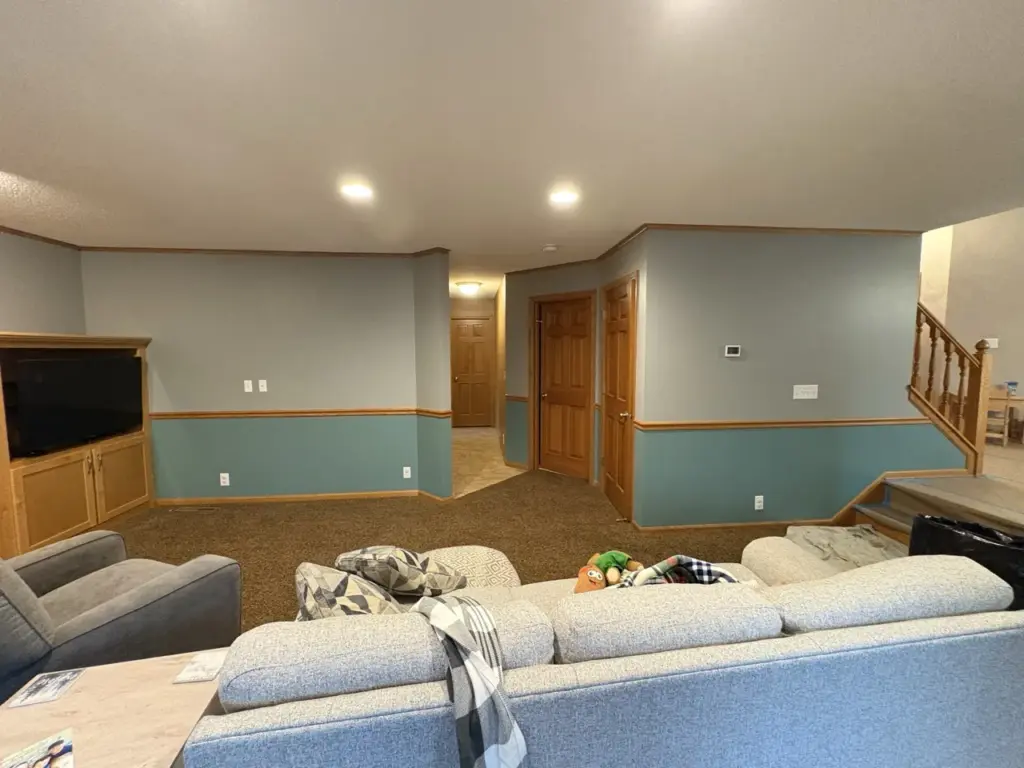
Start with the spaces that affect your day. A bedroom may need a calmer color, while a busy entry might benefit from clean walls and trim. You don’t need to paint the whole house to notice a change.
Look at the room in daylight and again with the lights on after dark. Winter’s shorter days can change how a color feels, so test samples on more than one wall before making your choice.
Keep spring open for outdoor projects
Getting an indoor project underway in winter can leave more room in your spring plans for work outside. That doesn’t mean you should rush an exterior job when the weather isn’t suitable. The surfaces, product, and forecast all matter. Exterior painting has its own temperature and weather requirements.
For a closer look at the outdoor side of that decision, read the guide to painting your house in the fall. Its discussion of seasonal conditions can help you plan ahead rather than rely on the calendar alone.
Winter Versus Warmer-Season Interior Painting
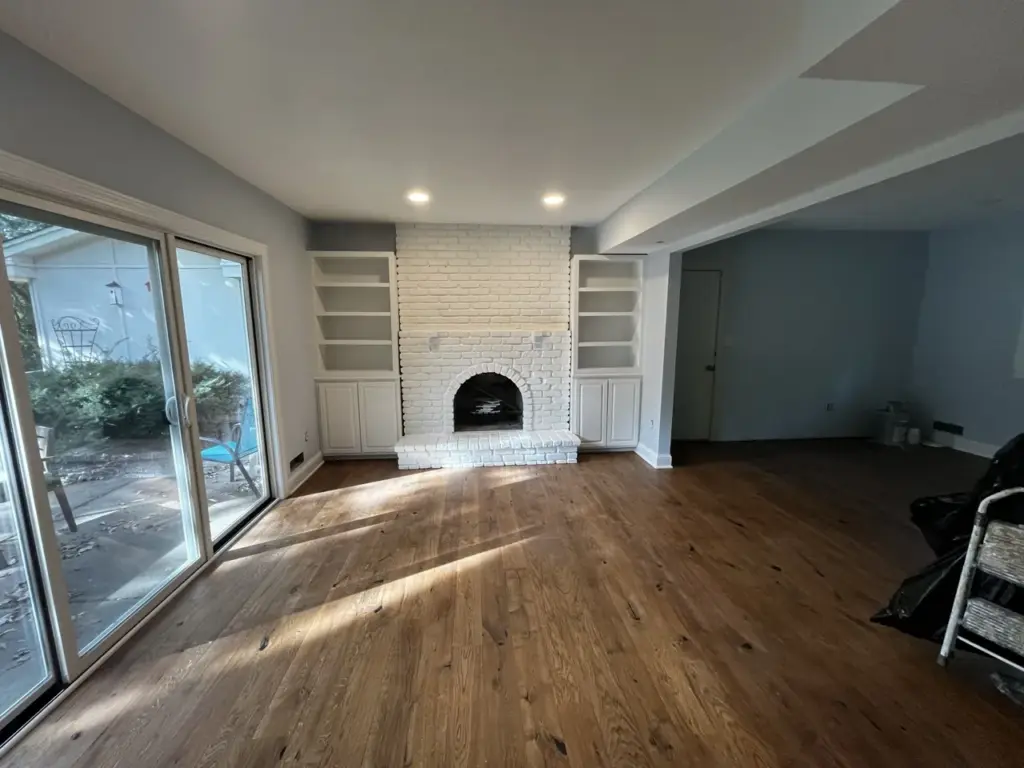
Winter interior painting in Minnesota and painting in warmer months can both work. The better choice depends on how you use your home, how you’ll ventilate, and which rooms can be out of service.
| Consideration | Winter | Warmer months |
|---|---|---|
| Indoor conditions | Maintain suitable heat and plan ventilation. | Check room and surface conditions, including humidity. |
| Household routine | Plan around more time spent indoors. | Plan around travel, activities, and open rooms. |
| Outdoor work | Indoor work can proceed while exterior work waits. | Indoor and outdoor projects may compete for your time. |
Neither season guarantees a faster job or a lower price. Ask for a project-specific schedule and quote, and leave room for the drying time required by the products being used.
What Matters Most for a Good Winter Paint Job
Keep the room and surfaces within product limits
A heated room helps, but the thermostat reading isn’t the whole picture. Exterior walls, windowsills, and other surfaces can be colder than the air in the middle of the room, especially after a cold night.
Check the paint and primer labels for the required air and surface temperatures. Keep conditions within those limits during application and for the period specified afterward. Avoid turning the heat down sharply overnight while a fresh coat is drying.
Don’t assume every paint has the same temperature range. The product’s instructions, the condition of the surface, and the painter’s assessment should guide the plan.
Plan ventilation without freezing the room
Fresh air matters even when it’s cold outside. Before work starts, talk through how the area will be ventilated during painting and afterward while keeping temperatures within the product’s limits.
A window opened briefly or an exhaust fan may be part of the plan, but the right setup depends on the room, the weather, and the product. Follow label safety instructions, and never use a fuel-burning heater indoors as a shortcut for drying.
If anyone in your home is sensitive to paint odors or has a health concern, discuss the product and ventilation plan with the painter and a healthcare professional. Low-odor or low-VOC products are not a substitute for ventilation.
Allow for drying and curing
Paint that feels dry to the touch isn’t necessarily ready for another coat or for everyday wear. Recoat time is the wait before applying another layer. Cure time is the longer period the finish needs to reach its intended hardness.
Temperature, humidity, airflow, and the product itself affect the timing. Follow the label and your painter’s guidance, and ask when you can move furniture back, close a freshly painted door, or clean the walls.
Choose the Right Spaces for Your Schedule
A good winter plan accounts for the way your household actually works. If everyone needs the kitchen each morning, for example, ask how access will be handled before deciding when that area should be painted.
| Space | What to plan | Useful question |
|---|---|---|
| Bedroom | A place to sleep while the room is unavailable. | When can furniture return? |
| Kitchen or entry | Access to frequently used areas. | Which routes will stay open? |
| Home office | Calls, equipment, and work hours. | Can work happen around my schedule? |
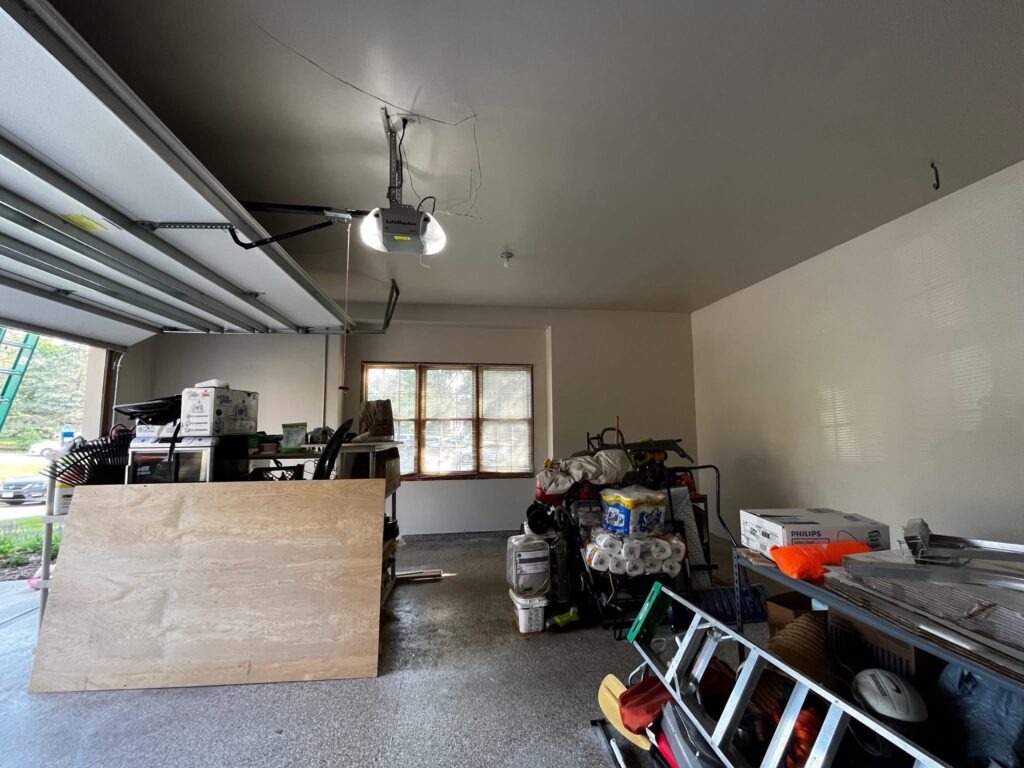
| Garage | Heat, surface condition, and storage. | Can the space meet product requirements? |
You can phase a larger job by room rather than give up the whole house at once. Tell your painter about work calls, school schedules, guests, pets, and any room that needs to remain usable.
Don't overlook repairs
A fresh color won’t make loose tape, holes, or an active leak disappear. Walk through each room and point out damage before the estimate. Discuss which drywall repairs are included and whether an underlying moisture problem needs attention first.
If you see a recurring water stain, find and fix its source before covering it. A stain-blocking product may be needed after the area is dry, but painting over an active leak won’t solve the problem.
Think beyond the living room
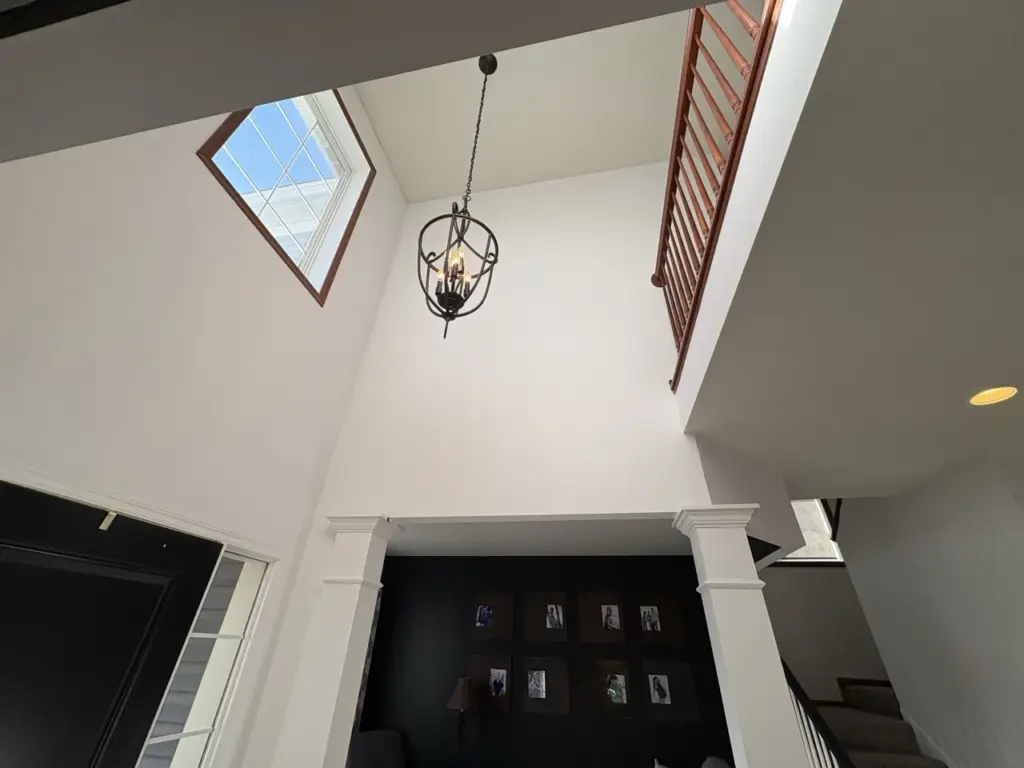
Walls, ceilings, trim, doors, and accent walls can all be part of an interior project. Decide whether the ceiling and trim are staying as they are or need work too, since that choice affects the scope and preparation.
An unfinished garage can be a separate winter project if it can be kept within the required conditions. Learn what affects the cost to finish an unfinished garage before comparing its scope with a simple room repaint.
How to Prepare Your Home
Make a room-by-room plan
Write down the rooms and surfaces you want included. Note any repairs, colors, finishes, and tight deadlines, then ask for those details in the written proposal. A clear scope makes estimates easier to compare.
Ask what the crew will move and cover, and what you should handle yourself. Remove small valuables, fragile items, and personal belongings from the work area. Make a safe plan for children and pets while supplies and wet surfaces are present.
Talk through access and protection
In winter, boots and equipment come in from cold, wet weather. Agree on an entry route and ask how floors and furniture will be protected. Keep walkways clear and let the crew know about parking or access limits before the first day.
Find out when the workday starts, where materials will be stored, and how daily updates will be shared. You should know which areas will be usable each evening and what needs to stay clear overnight.
Compare the work, not just the number
A useful estimate identifies the rooms, surfaces, preparation, products, and number of coats included. Ask how repairs or changes outside the original scope will be handled before work begins.
Also ask about the schedule, cleanup, payment terms, and any warranty in writing. Availability and pricing vary by project and contractor, so don’t assume a winter discount or an immediate opening.
Questions Homeowners Ask About Winter Painting
Yes. Interior painting can be done in winter when the room and surfaces meet the paint manufacturer’s requirements. The plan should also account for ventilation, drying time, and the people and pets using the home. Cold weather outside alone doesn’t rule it out.
Not necessarily. Ventilation depends on the product, the room, and outdoor conditions. Ask your painter how fresh air will be supplied during and after the work without dropping the room or surface temperature below the product’s limits.
Not always. Drying depends on temperature, humidity, airflow, and the coating. A heated room may provide workable conditions, but cold surfaces or a poorly ventilated space can affect the result. Use the product’s recoat and cure guidance instead of assuming a season determines the timing.
That depends on the products, ventilation, and your household’s needs. Ask which rooms will be accessible and how odors will be managed. People with respiratory concerns, pregnant household members, and families with young children should discuss individual concerns with a healthcare professional.
No. A price depends on the size and condition of the space, preparation, materials, and the work included. Some contractors may have seasonal offers, but don’t count on one. Compare written proposals for the same scope rather than choosing based on a presumed discount.
Tell your painter before the estimate. Smoke and nicotine residue can need cleaning and a suitable sealing primer before painting, and the right approach depends on the condition of the surfaces. Discuss smoke and nicotine sealing rather than assuming a regular finish coat will cover the problem.
Make Winter Interior Painting in Minnesota Work for You
A winter project works best when the scope, room conditions, ventilation, and household schedule are clear from the start. Take time to compare the preparation and products in each proposal, then choose a plan that fits how you live.
If you’re considering interior painting, Smooth Painting offers a free on-site estimate and a written proposal. You can also ask about unfinished garage finishing or call (612) 440-3665 to talk through your project.
Nelson Portillo
Owner of Smooth Painting. Nelson has 10+ years in the painting trade, from helper to crew supervisor, and has run his own crews across the east and north Twin Cities metro since 2022.
On this page
- Why Winter Can Be a Good Time to Paint Inside
- Winter Versus Warmer-Season Interior Painting
- What Matters Most for a Good Winter Paint Job
- Choose the Right Spaces for Your Schedule
- How to Prepare Your Home
- Questions Homeowners Ask About Winter Painting
Schedule Your Free Estimate
We come to your home, walk the project with you, and send a written estimate with clear pricing. No cost, no obligation.
Related Services
- Interior Painting
- Unfinished Garage Finishing
- Smoke & Nicotine Damage Sealing